What is the 50/30/20 budget rule? Simple guide for beginners
Managing your personal finances can feel overwhelming, especially if you're new to budgeting. That’s where the 50/30/20 budget rule also known as the 50 30 20 rule comes in: a simple and time-tested method that helps you take control of your money without complex spreadsheets or financial jargon.
This beginner-friendly budgeting strategy divides your income into three clear categories: needs, wants, and savings or debt repayment. If you're wondering what is the 50 30 20 budgeting rule, it’s essentially a proportional approach to money management that ensures you meet essential needs while still enjoying life and saving for the future.
1. Understanding the 50/30/20 rule of budgeting
Before you can apply the 50/30/20 rule, it’s important to understand where it comes from, how it works, and why it’s so popular among both beginners and financial experts. This section will cover the definition, origins, and core structure of the rule.
1.1. What is the 50/30/20 budget rule?
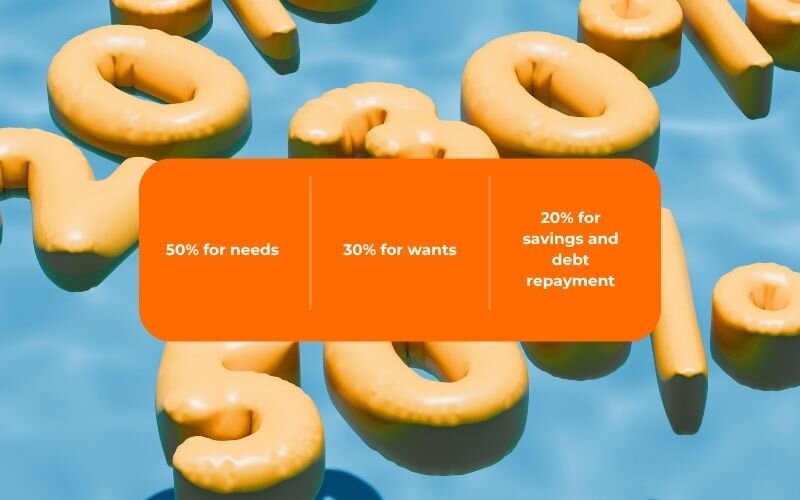
The 50 30 20 budgeting rule is a personal finance strategy that divides your after-tax income into three main spending categories:
- 50% for needs
- 30% for wants
- 20% for savings and debt repayment
This simple structure, often referred to as the 50 30 20 rule, helps you manage your money with clarity and purpose. Instead of micromanaging every dollar, you follow a balanced ratio that guides your financial decisions.
Key takeaway: Knowing what is the 50 30 20 budget rule can give you a reliable baseline to start budgeting effectively.
1.2. Origin and purpose of the rule
The 50-30-20 rule of budgeting was popularized by U.S. Senator Elizabeth Warren and her daughter Amelia Warren Tyagi in their book All Your Worth: The Ultimate Lifetime Money Plan. They aimed to simplify personal finance with a rule that works for people of all income levels - what we now call the 50 30 20 rule.
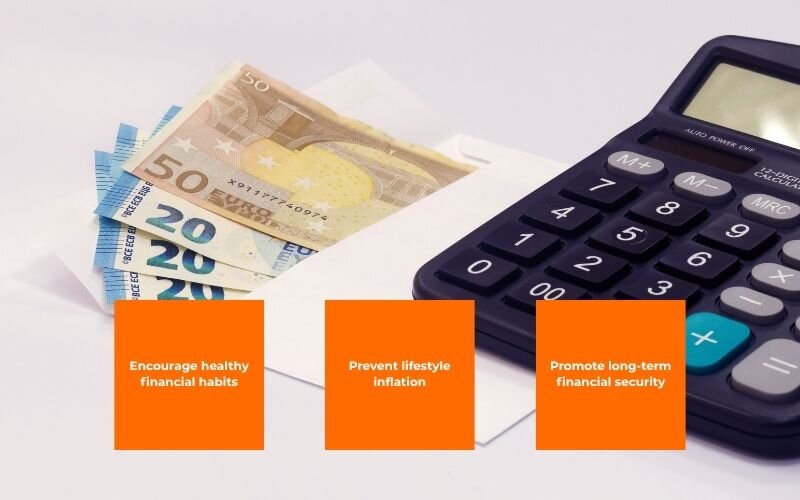
At its core, this method aims to:
- Encourage healthy financial habits
- Prevent lifestyle inflation
- Promote long-term financial security
The rule reflects a balance between financial responsibility and personal enjoyment, making it ideal for people looking for a flexible yet effective budgeting system.
1.3. Basic structure of the rule
Here’s a quick breakdown of the budget rule 50 30 20:
| Category | Percentage | What It Covers |
| Needs | 50% | Essential expenses like housing, food, utilities, insurance, transportation |
| Wants | 30% | Non-essential items such as entertainment, dining out, hobbies, subscriptions |
| Savings & Debt | 20% | Emergency fund, retirement savings, paying off loans or credit cards |
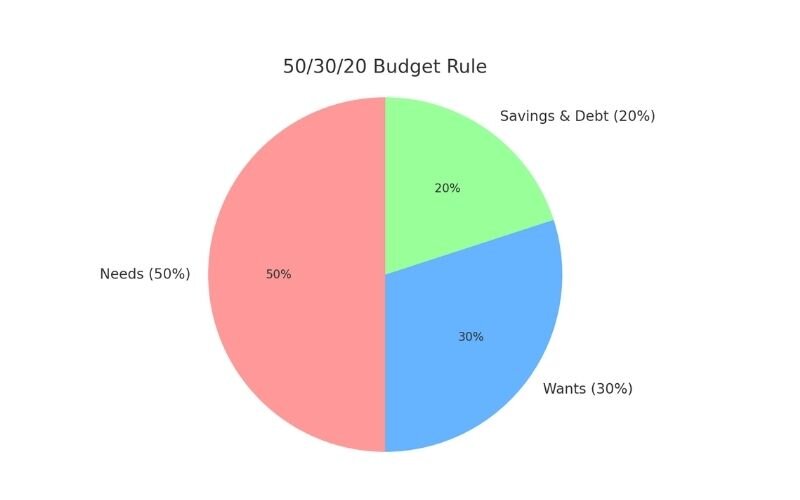
This structure gives you a guideline to follow each month. It’s not about perfection, but about consistency. Even small adjustments toward this ratio can lead to better financial health over time.
2. What counts as needs, wants, and savings?
Now that you understand the basic structure of the 50/30/20 budgeting rule, let’s take a closer look at what each category actually includes. Correctly classifying your expenses is essential for making this method work effectively especially if you want to stay financially balanced.
Below, we break down the differences between needs, wants, and savings or debt repayment, along with examples to help you apply the rule accurately in real life.
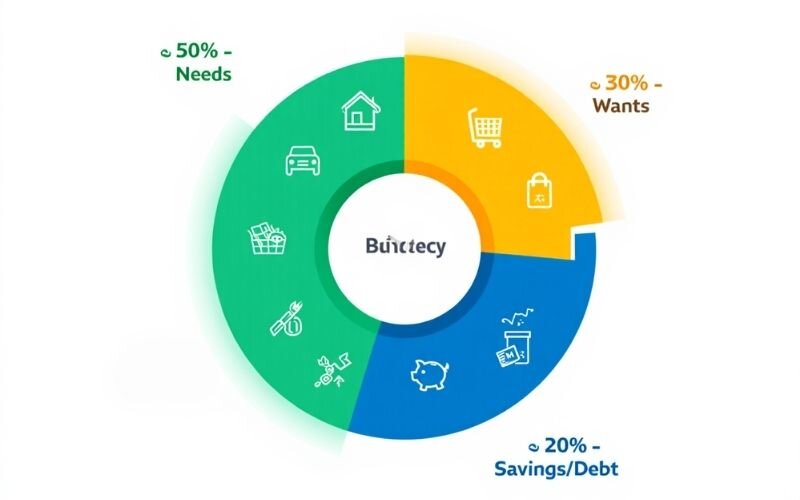
2.1. 50% for needs
The needs category covers your essential expenses things you must pay for in order to live and work. These are non-negotiables, and ideally, they should not exceed 50% of your after-tax income.
Examples of needs include:
- Rent or mortgage payments
- Utilities (electricity, water, heating)
- Groceries (basic food, not dining out)
- Transportation (fuel, public transit, car payments)
- Health insurance and medical expenses
- Minimum loan or credit card payments
- Basic clothing and personal hygiene
Tip: If your needs are taking up more than 50% of your income, consider reviewing your housing or transportation costs. Downsizing or switching service providers could help rebalance your budget.
Read more: https://h2tfunding.com/50-30-20-budget-rule/


Nhận xét
Đăng nhận xét