Conquer Low Income: 7 Simple Budgeting Steps to Thrive in 2025
I know how stressful it can be to feel like there’s never enough.
But budgeting on a low income isn’t about depriving yourself, it’s about giving your money a clear purpose.
Let me walk you through the same steps that helped me feel more in control, less anxious, and finally able to breathe.
Step 1: Write Down All Income Sources
Goal: Know your total available monthly income so you can plan realistically.
What to do:
The first step in how to budget on a low income is knowing exactly what you earn. This includes:
- Net salary
- Supplemental income through freelancing or side jobs
- Government support (e.g., SNAP - Supplemental Nutrition Assistance Program, SSI - Supplemental Security Income)
- Family support
Add everything up to get your monthly income baseline.
Example:
- Full-time salary: $1,600
- Freelance (Canva design gigs): $250
- SNAP assistance: $150
Total monthly income: $2,000
Expert Insight:
According to the Consumer Financial Protection Bureau (CFPB): "The first place to start is getting a complete picture of where your money comes from."
This emphasizes the importance of understanding all income sources when creating a budget.
Tip: If your income fluctuates, base your budget on the lowest month.
Step 2: Write Down Your Essential Costs
Goal: Identify non-negotiable living costs.
What to do:
Create an “Essentials” list including:
- Rent or mortgage
- Utilities: electricity, water, internet, phone service
- Groceries
- Transportation: fuel, public transit fares (bus, train, subway)
- Medications, health insurance

Pro tip: Look at 3 months of past spending to get a realistic monthly average.
View more:
Step 3: Limit Spending on Non-Essentials
Goal: Free up money for savings and debt reduction.
What to do:
- Review your bank statement and mark:
- Subscriptions (Netflix, Spotify, Amazon Prime, YouTube Premium,...)
- Dining out, coffee runs, and fast food
- Impulse buys (Amazon, Etsy, or other e-commerce platforms)
Then:
- Stop paying for subscriptions you no longer need.
- Limit “fun money” spending to a fixed weekly amount.
Tip: Follow the “48-hour rule” — wait 2 days before buying anything non-essential.
Step 4: Track Every Expense – Even the Small Ones
Goal: Build spending awareness and catch waste.
What to do:
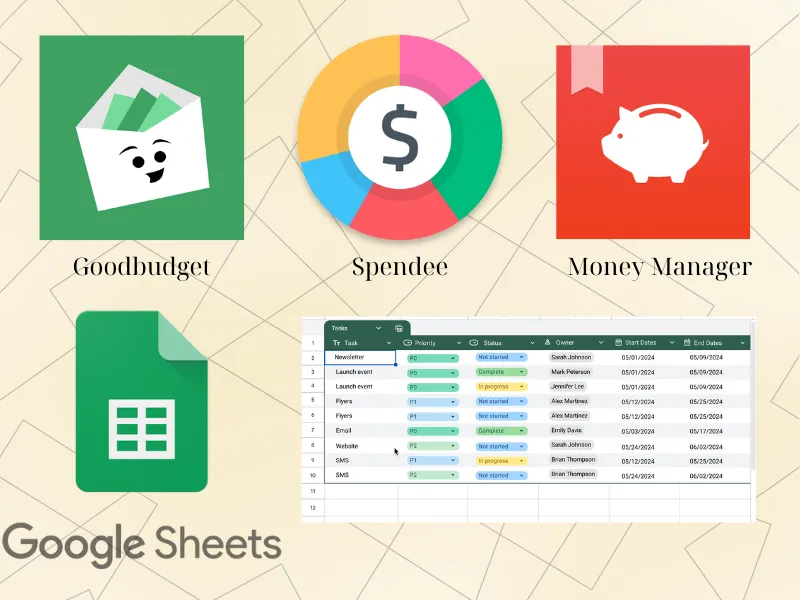
Use some apps like:
- Goodbudget: Envelope-style budgeting. Great for beginners who prefer manual control.
- Spendee: Beautiful charts and category breakdowns. Ideal for visual learners.
- Money Manager (Realbyte): Best for offline/cash users. Super detailed.
- Google Sheets: Totally customizable and great if you like playing around with spreadsheets and formulas.
Remember: Even small purchases like a $1 coffee add up. Tracking every expense keeps you accountable.
Tip: Snap a photo of receipts and enter once a week if daily tracking is too much.
READ MORE: How to Track Expenses
Step 5: Categorize and Prioritize Needs vs. Wants
Goal: Separate survival from comfort to focus on what truly matters.
What to do:
Create a simple two-column table:
| Needs | Wants |
| Rent | Netflix |
| Groceries | Takeout/dining out |
| Utilities | Beauty subscriptions |
Categorize and Prioritize Needs vs. Wants
Ask yourself: “If I don’t buy this, will it affect my health, safety, or work?”
Step 6: Set Spending Limits by Category (70/20/10 Rule)
Goal: Set clear boundaries to avoid overspending.
Budgeting model:
- 70% Needs: Essentials like rent, bills, groceries
- 20% Savings or Debt Payoff
- 10% Wants: Fun money
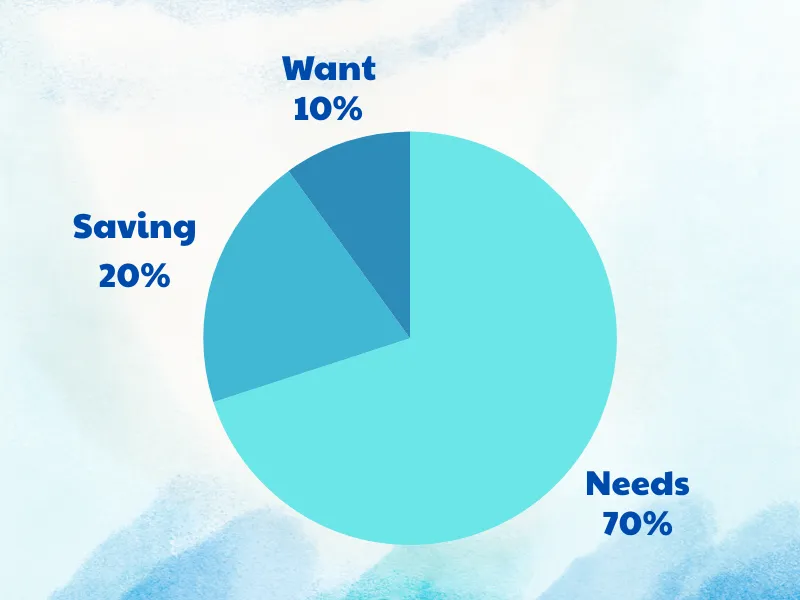
Example with $2,000 income:
- Needs: $1,400
- Saving/Debt: $400
- Wants: $200
Tip: Use different bank accounts or e-wallets for each category to avoid mixing funds.
Step 7: Review and Adjust Weekly
Goal: Keep your budget responsive and stress-free.
What to do:
- Block 15 minutes every Sunday.
Check your budget sheet or app. - Ask yourself:
- Did I overspend?
- What categories went well?
- What needs adjusting?
Tip: Think of it as a quick check-in with yourself, just like a mini team meeting.
View more: https://h2tfunding.com/how-to-budget-on-a-low-income/


Nhận xét
Đăng nhận xét